The Singing Forest: A New Era of Bird Monitoring in Delaware
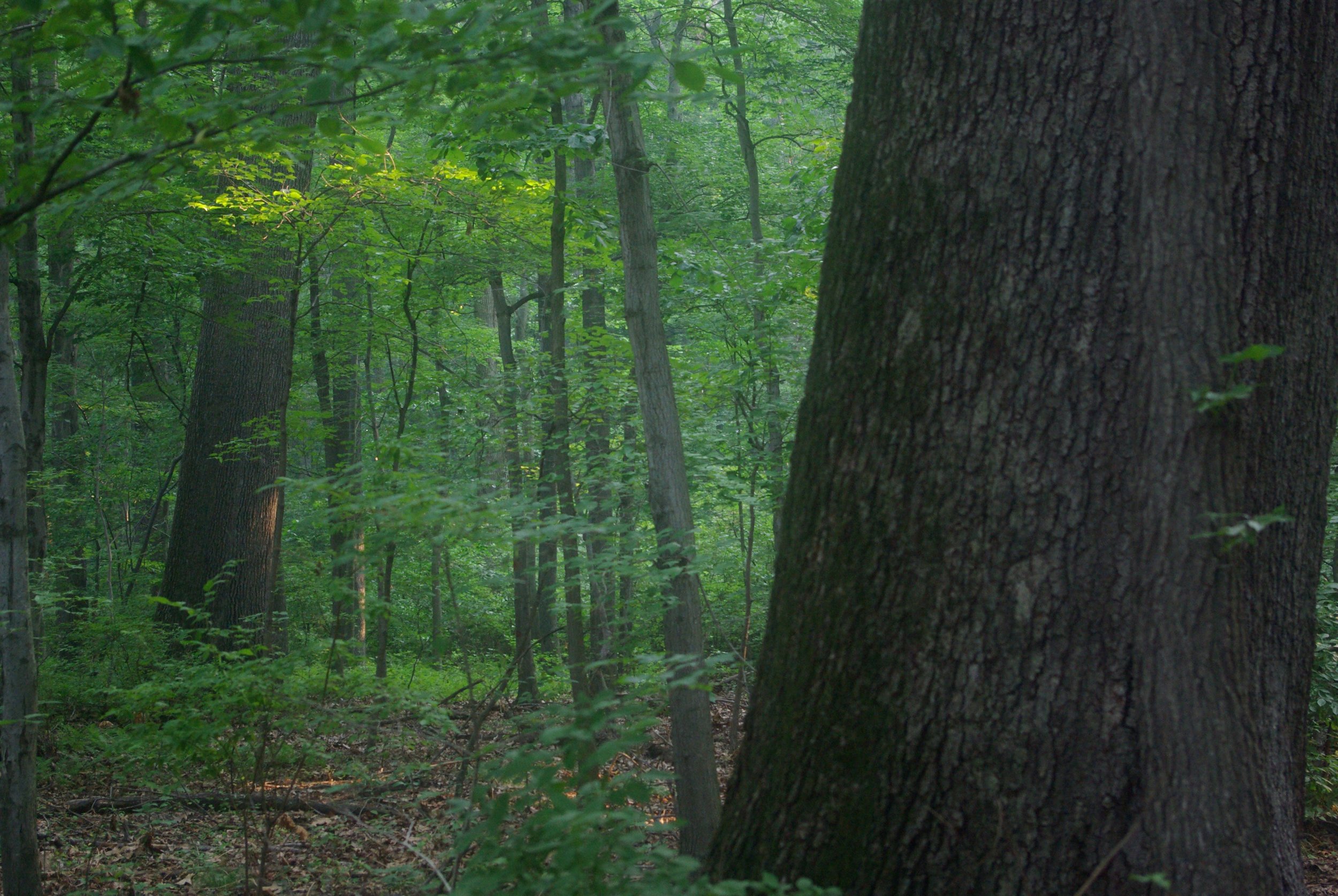
Roland Roth Ecology Woods, on the University of Delaware campus
This summer/fall, an exciting new project will take shape in the University of Delaware’s Roland Roth Ecology Woods - one that promises to transform how we study and understand local bird communities. Researchers at the University of Delaware’s Department of Entomology and Wildlife Ecology are deploying more than 80 automated recording units (ARUs) across the Roth Woods, creating one of the densest acoustic arrays ever installed in a university setting. This “Singing Forest” will allow scientists to triangulate singing birds in real time, generating remarkably detailed maps of territories, movements, and habitat use.
Unlike traditional point counts, this system will listen continuously, capturing the full soundscape without bias. The result will be a powerful, long‑duration record of avian activity that opens the door to groundbreaking research. From tracking territory turnover and species interactions to detecting phenological shifts linked to climate change, the array will provide a rare opportunity to study birds at fine spatial and temporal scales. Its renewable design means data can accumulate for years, which is something few avian studies achieve.
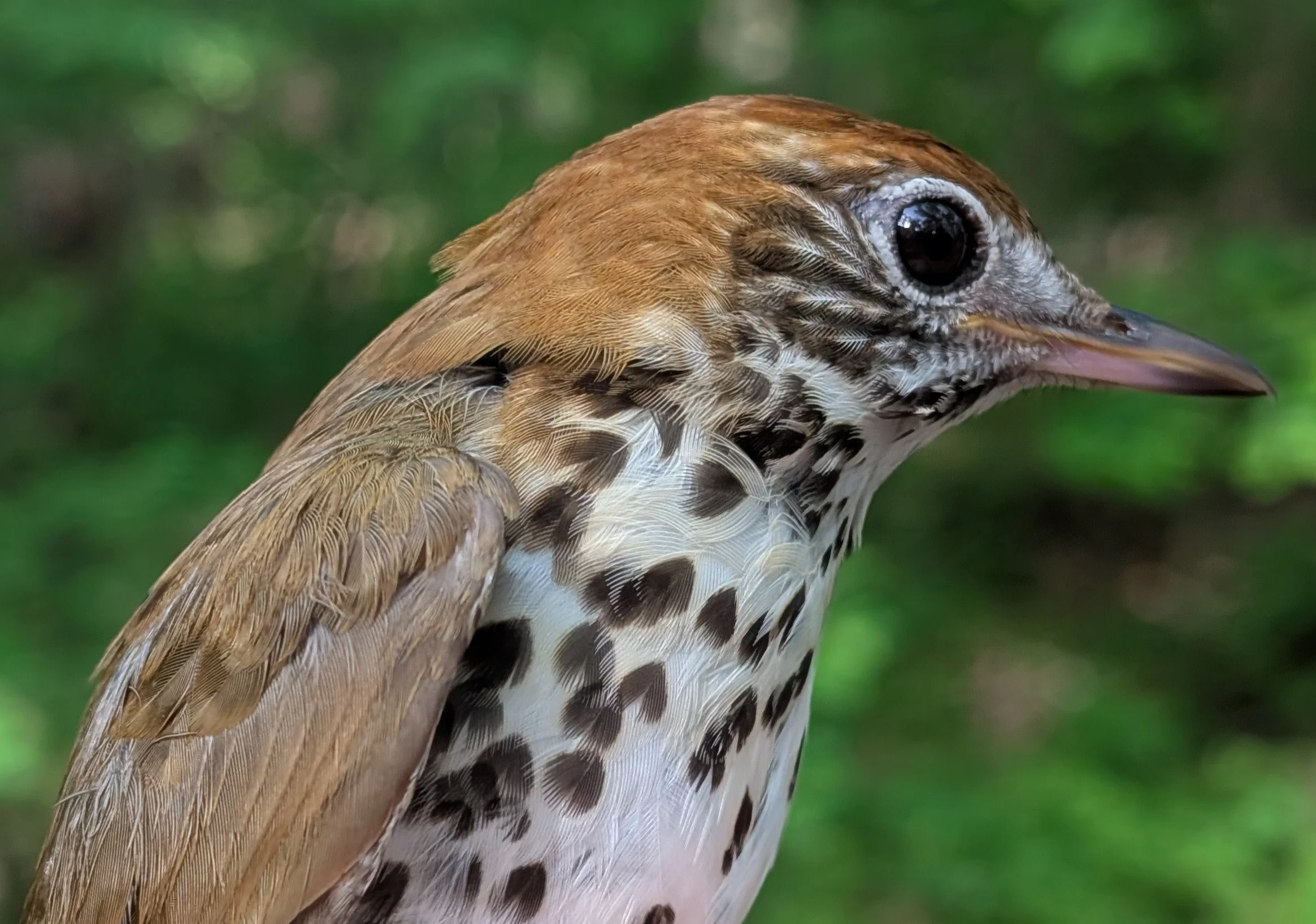
Wood Thrush, one of the birds to be studied in the “Singing Forest”
The project will also serve as a training hub for students. Undergraduate researchers will gain hands‑on experience in field ecology and bioacoustics, while graduate students will lead analyses, develop new methods, and contribute to high‑impact publications. Fundraising is needed to purchase 80+ automated recording units (ARUs), as well as support a summer undergraduate research student. With annual support of $30,000, the Singing Forest will position the University of Delaware as a leader in bioacoustic monitoring.
Contact
DAN SARKISSIAN
Associate Vice President – Development
105 East Main Street - Newark, DE 19716
Phone: 302-831-4595
Cell: 302-379-6608