Habitat Islands for Native Plant Restoration
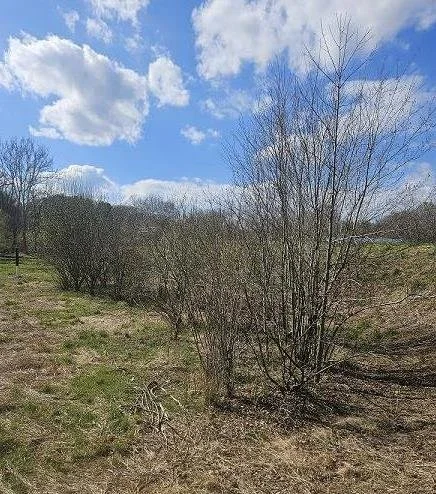
Habitat island in Curtis Mill Park, planted in 2019. Fencing was removed in 2023.
Delaware Audubon adopted a technique developed at Longwood Garden for reintroducing native plants into natural areas. The technique, identified as ‘habitat islands’ by Longwood, uses relatively inexpensive 4’ high garden fencing to protect native plant plantings from deer, which harm new plantings because they browse smaller plants and rub trees that are less than 4’ in diameter.
The habitat island method is far less expensive than using 10’ high deer fencing. The technique involves running the garden fencing in parallel lines, separated by no more than 15’ and enclosing the ends. The reason this works is because deer are reluctant to jump into the 4’ high fenced-in area because the narrow spacing prevents them from easily escaping.
Habitat islands were first installed at 2 locations in Curtis Mill Park in Newark in 2019, A wide diversity of native trees and shrubs were selected for the islands, including both bare root and pottted plants. By 2024 the plantings in the islands had reached maturity and were no longer vulnerable to deer damage, so fencing is was longer needed there and was relocated to start a new island.
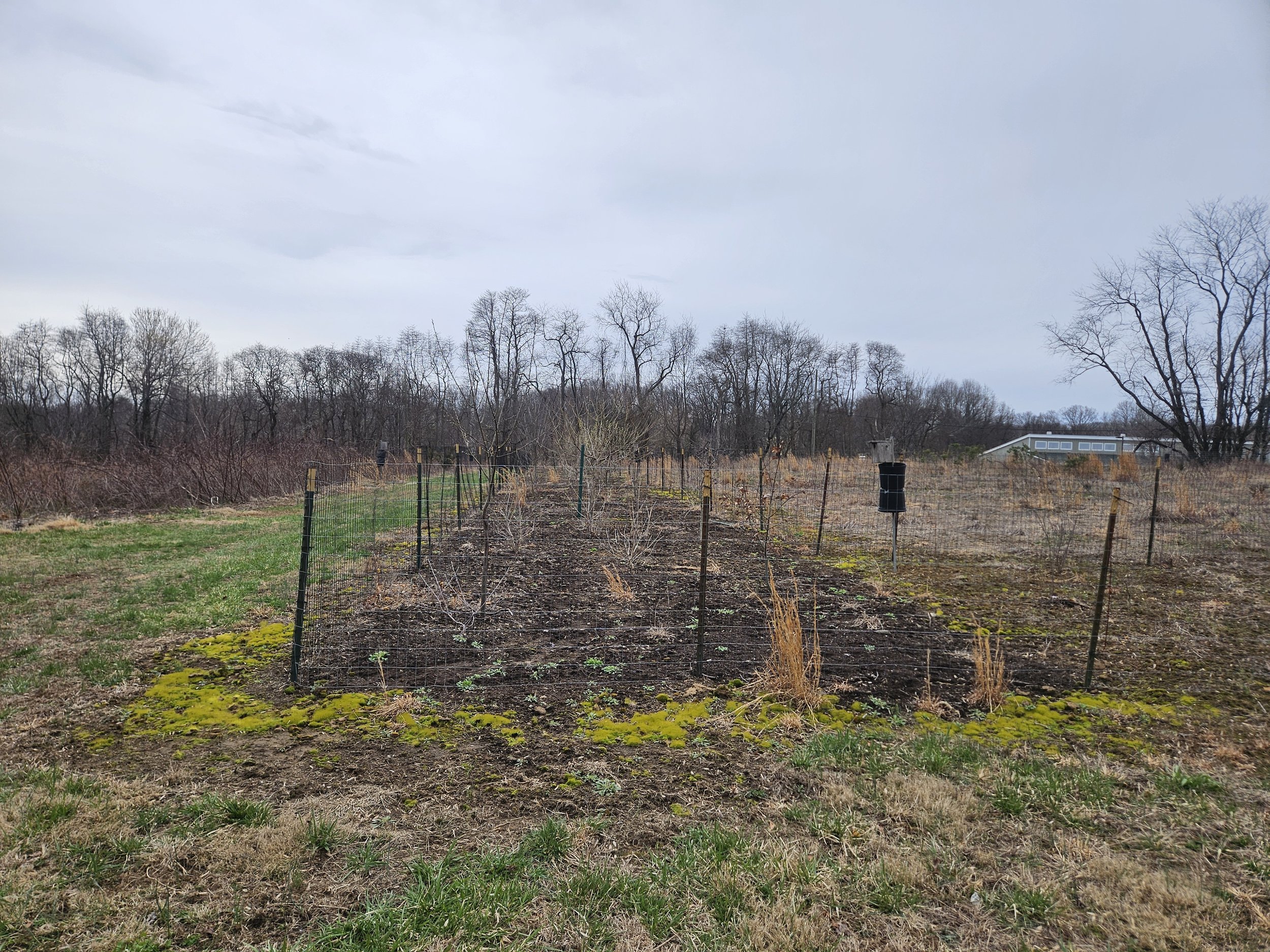
Habitat island at Middle Run Valley Natural Area
Starting in 2024, a set of 5 habitat islands were set up at Middle Run Valley Natural Area. The island near the main parking lot has one line of fencing forming an outer circle, and the other forming an inner circle, separated 15’ from the outer circle. Using this technique, the entire 1/3 acre space inside the inner circle is protected from deer.